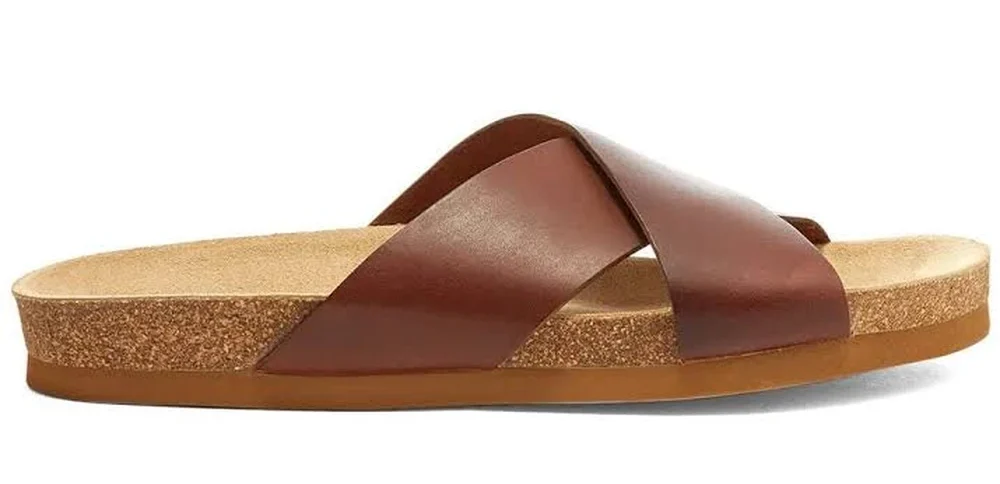

Selecting proper open footwear requires a basic understanding of material choices and structural assembly methods. Gentle air circulation prevents humidity accumulation around the lower limbs during the summer seasons. Many individuals seek premium sandals for men to ensure physical ease during daily walks. Durable construction separates reliable everyday products from cheaper, short-lived alternative options. Subtle details define structural integrity while providing long-term wear resistance over multiple years.
Analysing Raw Material Choices For Ultimate Durability
Premium manufacturers utilize full-grain leather hides to construct long-lasting uppers. This dense layer resists external scuffs while stretching slightly to match individual foot structures. Synthetic canvas options provide lighter alternatives for wet conditions or seaside strolls. Proper base selection guarantees that your pair survives abrasive concrete paths easily.
Examining Stitching Techniques Enhancing Base Longevity
Double-needle construction methods bind upper panels tightly to the foundational base layer. This robust technique eliminates chemical adhesive reliance, which frequently degrades under scorching sun exposure.
· Waxed linen thread prevents moisture infiltration along main structural seams.
· Interlocking loops secure heavy leather straps against sudden mechanical pulling.
· Perimeter grooving tucks structural threads beneath the exterior sole level.
· Reinforced heel junctions avoid premature splitting during quick physical movements.
· Hidden welt lines preserve clean profiles while maximizing general utility.
· Hand-sewn tacks reinforce stress zones near metallic buckle attachment areas.
· Double uniform lines increase abrasion protection against rough gravel particles.
· Tensioned knotting systems stop the entire stitch from unravelling if a single loop breaks.
Understanding Arch Contour Shapes For Weight Support
Contoured footbeds distribute human body mass evenly across your entire plantar surface. Anatomical curves reduce painful pressure hot spots on heel regions during prolonged standing. Dense cork filling material absorbs walking shocks while adapting gradually to individual foot impressions.
Which Hardware Elements Guarantee Maximum Longevity Output?
Heavy brass buckles resist structural bending when tightening ankle straps manually. Stainless steel components prevent rust formation during accidental rainy-day exposures. Cheap plastic closures snap easily under normal foot flexion forces. Metal hardware elements ensure that your custom fit remains intact permanently over time.
Evaluating Sole Tread Restricting Unwanted Slips
Vulcanized rubber outsoles feature deep tread patterns to maximize friction on wet floor surfaces. Polyurethane alternatives provide excellent flexibility while remaining lightweight for long travel days. Dense tread configurations prevent sharp pebbles from embedding deeply into the bottom grip layer.
Assessing Upper Strap Width Variations for Balance
Wide horizontal straps securely hold your midfoot area against the main base structure. Thin straps often dig uncomfortably into sensitive skin surfaces during warm weather conditions. Proportional strap distribution minimizes blister occurrences by reducing unnecessary friction during movement.
Addressing Common Questions about Premium Open Footwear
· How should leather models fit initially? Straps must feel snug without restricting blood circulation across your toes.
· Can these products survive rainy conditions? Water-resistant synthetic models handle moisture much better than uncoated leather.
· What causes sudden strap detachment? Inferior glue melting under solar heat causes straps to pull out.
· How frequently should uppers receive oiling? Apply natural conditioner every three months to keep the material highly pliable.
· Are flat bases bad for walking? Flat profiles lack sufficient shock absorption, causing noticeable muscular fatigue.
Practical Methods for Restricting Early Footwear Wear
Applying protective leather oil keeps your uppers soft and prevents deep cracks. Regular debris removal stops sand particles from eroding delicate inner lining threads. Storing your pairs away from direct heat sources preserves sole flexibility consistently.
Acquiring Better Knowledge Regarding Structural Choices
Informed consumers evaluate stitch density rather than focusing on visual logos. Premium assembly methods guarantee long-term utility during outdoor activities. Observing tiny details ensures you receive dependable sandals for men before finalizing acquisitions.
Securing Lasting Investment Values Wisely
Prudent footwear choices rely on identifying functional details over temporary trends. Recognizing high-level craftsmanship ensures your feet remain supported during daily tasks. Regular care habits preserve structural materials while extending component usefulness for multiple seasons. Final satisfaction requires checking assembly methods systematically before buying any new pair.